
Data collected in the ROADMAP Platform and the associated ROADMAP Registry are a rich resource for secondary analyses and new study projects. This section links to documents that comprehensively outlines theprocess for; applying, review and integration of new studies to the ROADMAP Trial. This includes the process for ratification through the Global Trial Steering Committee (GTSC), and the subsequent initiation, ethical review, and data access requirements.
The ongoing and adaptive nature of the ROADMAP Trial means that extreme care is required before releasing any participant data from the platform database, even for small subsets or site-specific requests.

Including new domains, new interventions within an existing domain, and other clinical trials that sit under the ROADMAP core protocol and generally will use existing ROADMAP database and statistical model.

May include additional collection of samples or clinical data and can include platform and/or registry participants.
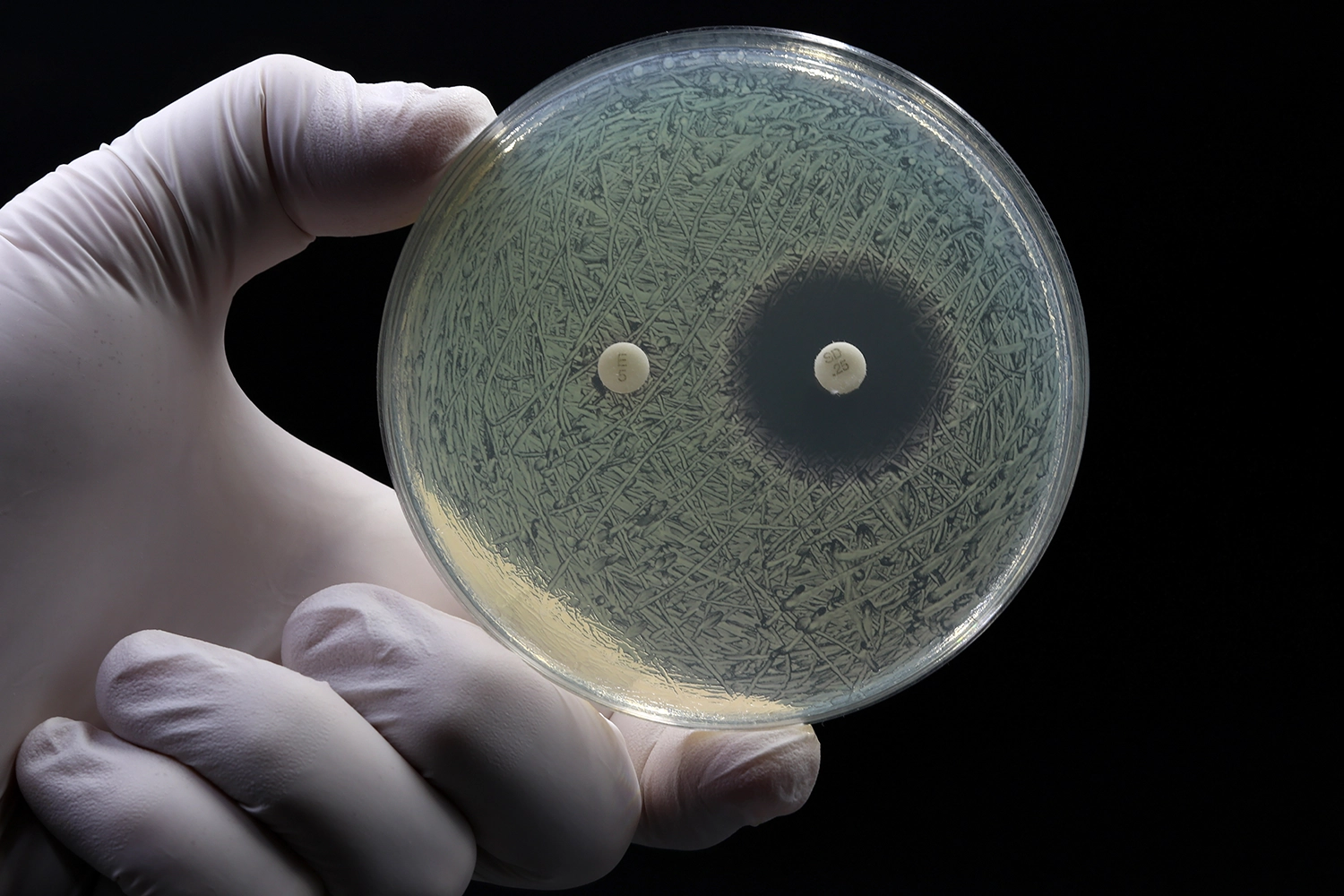
This type of study makes use of samples (bacterial isolates) or data that has already been collected.
If you have any questions about the new study process, please do not hesitate to contact the ROADMAP Trial Management Team (TMG) email: TMG@roadmaptrial.com


ROADMAP is supported by a number of key personnel in a global trial management group (TMG) as well as a global trial steering committee (GTSC), regional trial management groups from each participating country, and ROADMAP specialist working groups. Together they all guide the study to meet its research goals with scientific validity, safety and with a focus on improving health outcomes for people that experience prosthetic joint infections.


